
The Trap of Selective Compassion
We often think of people as either compassionate or not compassionate and regard the former as morally superior. But compassion is usually selective, and this poses problems. The most striking example of selective compassion was Hitler. He was a vegetarian and opposed vivisection of animals. His case was extreme, but the syndrome is typical. Millions of people have more compassion for fetuses than for starving and abused children, not to speak of their mothers.
In America, slaveowners got reparations while enslaved African Americans got nothing for their generations of stolen bodies, snatched children and expropriated labor other than their mere release from legal bondage.
In India, a motorist who hits a cow is in danger of his life from irate vegetarians. The Buddha preached universal compassion, but as Buddhism spread, his teachings were overgrown by a multitude of other ideas and practices. Buddhist countries have waged many aggressive wars, also against one another.
Even though the sale of slaves had been fundamental to America’s economic rise, conspiracy groups intensified around human trafficking and child exploitation because of the race of the children involved in the Epstein case.
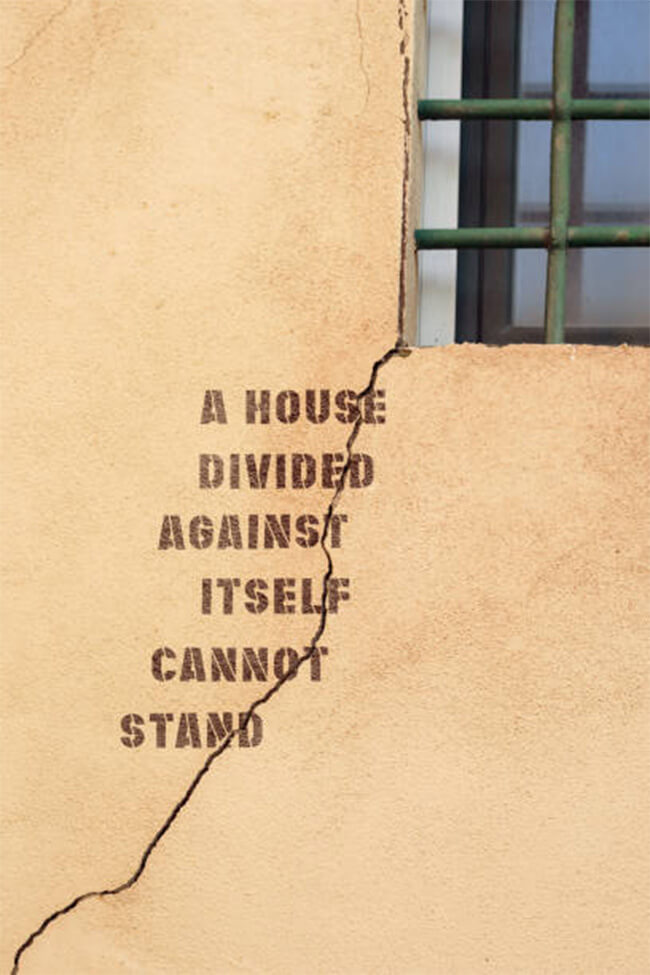
The psychology of Selective Compassion
Selective compassion is a complex psychological phenomenon that can be influenced by a multitude of factors. One such factor is the concept of in-group bias, which refers to our tendency to favor individuals who belong to the same group as us.
This bias can lead to a greater sense of empathy and compassion towards members of our own social, cultural, or ethnic group while diminishing our ability to empathize with those who are different from us.
Another psychological factor that contributes to selective compassion is confirmation bias. This bias refers to our tendency to seek out information that confirms our existing beliefs or biases while disregarding or dismissing information that challenges them.
When we engage in selective compassion, we may unconsciously seek out narratives and experiences that align with our preconceived notions, reinforcing our existing biases and further limiting our capacity for empathy.
Unlike compassion, which is rooted in genuine concern for others, selective compassion can be driven by self-interest. Stated differently, it is a desire to maintain one’s own comfort and privilege. It can lead to the exclusion or marginalization of certain groups, as individuals may choose to empathize only with those who align with their own perspectives or interests. This selective approach to compassion can have far-reaching consequences. Selective compassion affects not only the individuals directly involved but also affects the broader society.
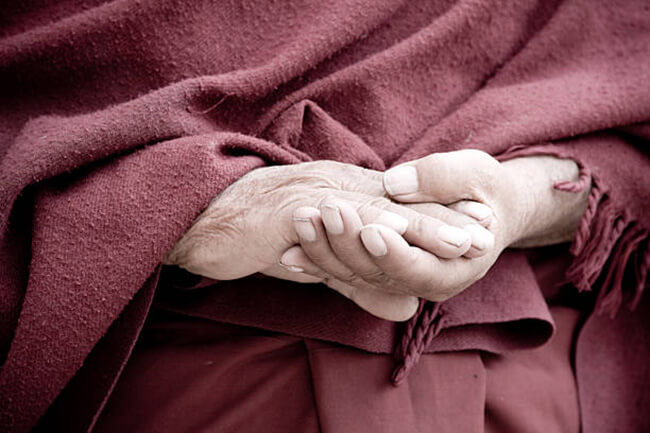
How to Cultivate True Compassion
Cultivating compassion is an essential path to spiritual liberation and this goes hand in hand with wisdom because both qualities (wisdom and compassion) work together in the path of enlightenment.
The Buddha taught that to realize enlightenment, a person must develop two qualities: wisdom and compassion. Wisdom and compassion are sometimes compared to two wings that work together to enable flying or two eyes that work together to see deeply.
In the West, we’re taught to think of “wisdom” as something that is primarily intellectual and “compassion” as something that is primarily emotional, and that these two things are separate and even incompatible. We’re led to believe that fuzzy, sappy emotion gets in the way of clear, logical wisdom. But this is not the Buddhist understanding.

Practice, Practice, Practice
Beginning with a consistent meditation practice we will begin to see things for what they really are (this is wisdom). Be prepared to take this as a lifelong journey as you will encounter many reasons in the world that will challenge you to deepen in compassion. The more your light grows, the greater the challenges you will encounter but you will soon see that every challenge holds a jewel for enlightenment. The horrendous things happening in the world will eventually result in your deepening into yourself and your connection to the divine.
I also take to heart the teachings of ACIM, where Christ teachings illuminate the need to accept the world for what it truly is. Acceptance is also a virtue that leads to love because one cannot love what is not accepted. That energy of love is really the light that illumines your entire being.
The nun and teacher Pema Chodron says, “start where you are.” Whatever mess your life is right now is the soil from which enlightenment may grow.
So, we begin by better understanding own suffering, which takes us back to wisdom. Usually, meditation or other mindfulness practices are the means by which people begin to develop this understanding. As our self-delusions dissolve, we become more sensitive to the suffering of others. As we are more sensitive to the suffering of others, our self-delusions dissolve further.
Let go of legacy and stay focused on what truly matters.
Yours Truly in Love and Light,
Khadijat Quadri, LCHMC, CHt